Climate Change and Stormwater: How Heavier Rains Are Reshaping Stormwater Management

Heavier rains are challenging stormwater management. Research from Climate Central shows that the heaviest 1% of rainfall events in the U.S. now deliver 20–60% more rain than they did in the mid-20th century, depending on region. This shift poses significant challenges to water quality and community infrastructure. While rainfall is essential to replenish water supplies and support agriculture, extreme storms can overwhelm drainage systems and act as carriers of pollution, washing contaminants into lakes, rivers, and groundwater sources.
The Rising Challenge of Stormwater Pollution
When rain falls faster than it can be absorbed into the ground, stormwater runoff increases. In highly developed regions with limited green space, the impact is even greater, as impermeable surfaces like asphalt and concrete prevent water from naturally soaking into the soil. Along the way, runoff collects sediment, nutrients, oils, heavy metals, trash, and bacteria from roadways, parking lots, rooftops, and industrial sites. Without adequate stormwater management, these pollutants are discharged directly into receiving waters. This can degrade ecosystems, harm aquatic life, and compromise public health by elevating bacteria levels in rivers and lakes.
Overwhelmed Infrastructure and Flooding Risks
Heavy storms don’t just worsen pollution, they also strain existing infrastructure. From a stormwater design perspective, managing peak discharge is just as important as treating pollutants. Effective stormwater management for heavy rainfall requires systems that can temporarily store excess runoff and release it at controlled rates. Natural drainage systems and sewer networks often cannot handle today’s storm intensities. The consequences can include:
• Flooding: Excess runoff can back up streets, overwhelm storm drains, and cause localized flooding.
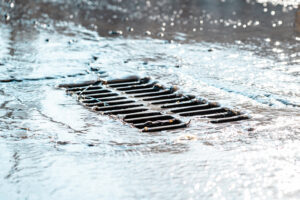
• Sewer system overloads: In combined sewer systems, stormwater mixes with household wastewater, often leading to overflows that discharge untreated
sewage into the environment.
• Property damage: Gutters, downspouts, and drainage channels can clog or fail under extreme volumes, leading to basement flooding, foundation damage, and
mold growth.
These challenges highlight the need for stormwater management strategies that address both volume control and site constraints, particularly in developed areas.
Development Pressure Limits Surface-Based Solutions
As communities continue to grow, available land for traditional surface stormwater features, like detention ponds and open basins, is increasingly limited. Urban infill, redevelopment projects, and higher-density land use often leave little room for large, aboveground stormwater facilities.
In these environments, stormwater management for heavy rainfall must balance performance with practicality. Subsurface systems allow designers to manage runoff volumes without sacrificing valuable surface space needed for buildings, parking, roadways, or green infrastructure enhancements. This makes underground detention an essential component of modern drainage planning.
The Role of Stormwater Management Solutions
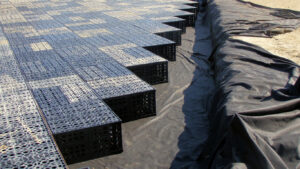
Subsurface stormwater detention systems, like the StormTank Module 25 Series, are designed to temporarily store runoff underground, reducing peak discharge rates and helping protect downstream infrastructure and receiving waters. Designed for installation beneath parking lots, roadways, and landscaped areas, StormTank systems enable effective stormwater control while preserving usable land at the surface. In addition to detention, StormTank systems can be integrated with water quality treatment components, helping sites mee t regulatory requirements and environmental goals.
As rainfall patterns continue to shift, communities must adapt. By investing in effective stormwater treatment strategies, municipalities, businesses, and property owners can mitigate the impacts of climate change, protect water resources, and safeguard their communities from costly damage.